The music video is a very powerful medium which actively promotes not only a single or album, but also promotes the band or artist, enabling a connection to be established between the audience and the artists.
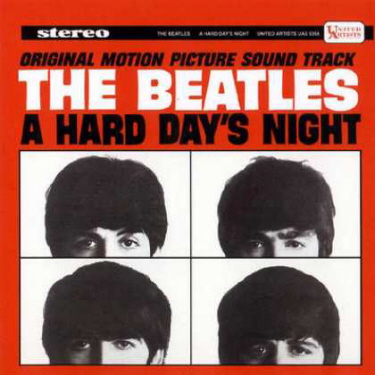
In 1964, one of the first and arguably one of the most notorious music videos of popular music was ‘The Beatles-A Hard Days Night’ directed by Richard Lester. Before the release of this short film the only types of music videos were of artists playing live music or were in a strict narrative form. This video was the first of its kind; instead of having the Beatles act out roles (which was what many artists did at this time) they just portrayed themselves, thereby actively promoting their image. In order to convey a sense of realism across to the audience a documentary style video was used. For example, rather than having high quality footage and obscure surroundings, Lester used black and white footage and everyday locations to give it a sense of realism. Due to the video being the first of its kind many people actually believed that the chase scenes were real. However, Lester did incorporate some comical slants throughout the film, promoting the Beatles as lighthearted slick young men to their target audience, which were young women, as the film suggests. The way young women were portrayed in the film was not dissimilar to how the fans acted in real life; how the fans acted is now referred to as Beatlemania. The film made a gross profit worldwide of $11 million and the song was number one in Britain for 21 straight weeks.

The next big event in the development of music videos was the introduction of MTV. The television show broadcast music videos to the audience’s homes, making it even easier for the artists to tap into their potential market. In the late 1980’s the introduction of the MTV Awards sparked further growth in the amount of music videos produced thereby actively promoting the bands appearing in the videos. MTV completely revolutionized the music industry and the way we class types of music. Stereotypical images were portrayed on MTV and these stereotypes became established genres such as the image of a rap artist. During the 1990’s MTV diversed its product offering with around 50% of its output being ‘reality’ television shows such as The Hills.

Then came YouTube. The release of YouTube enabled people to access and upload videos on to the internet, meaning that people could access music videos not only at home but wherever the internet is available. This easy accessibility meant that bands could promote themselves internationally. Now the majority of music videos are promoted via YouTube. Often these videos are posted on the artists website, so any fans that access their website will automatically be able to view their latest videos. However, this means that music videos have to be more compelling to watch from the first few seconds due to the amount of other videos that are accessible on the internet.

No comments:
Post a Comment